
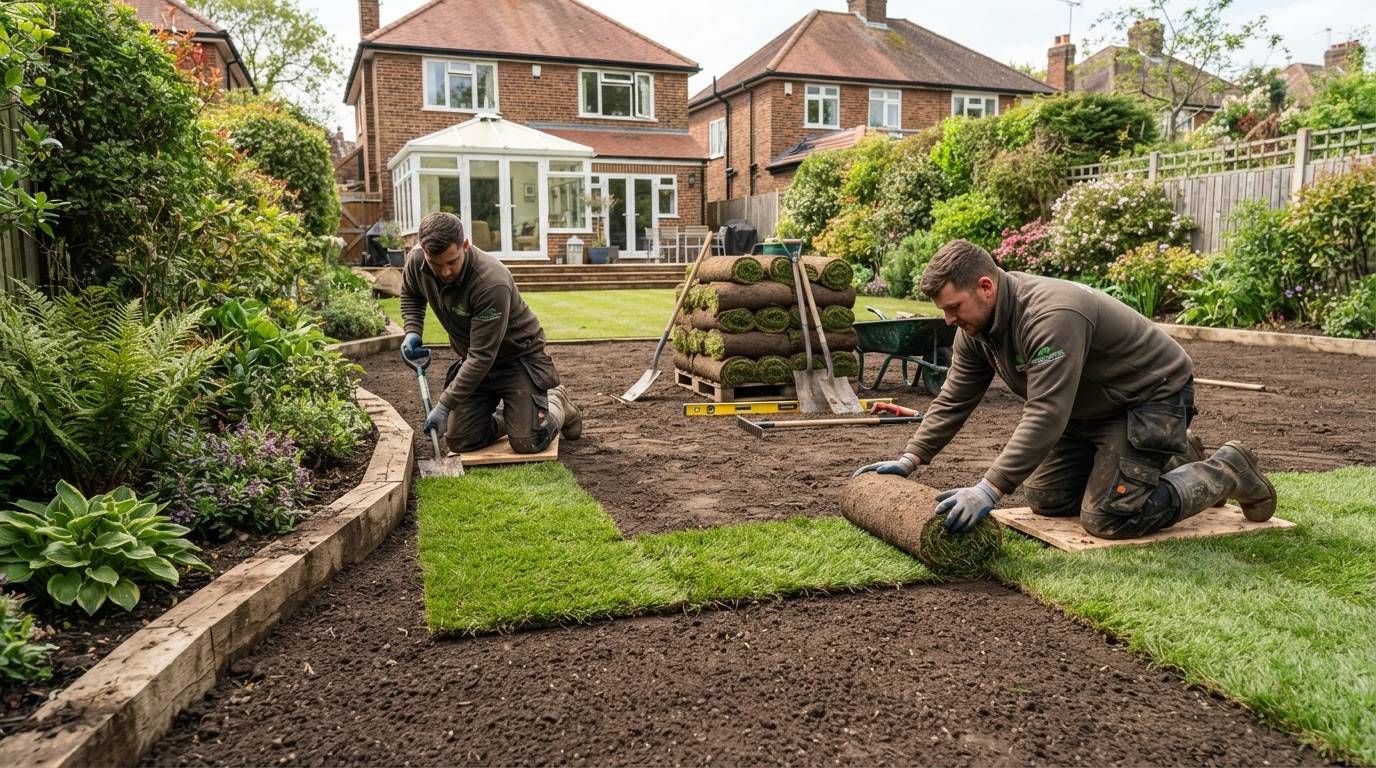

A garden can look the business in photos, then sit empty for months. The ones that get used? They're planned for real life, not just a quick show for the neighbours. The best garden design ideas start with a mug of tea and a slow wander outside, not a glossy brochure.
Watch the sun and how you move
Don’t guess where to put things. Spend a day just watching where the sun falls in your garden. Early light, high noon, that last patch of evening sun, every bit gets its moment. The place you’ll want to sit with a cup of tea isn’t always outside the back door. More often, it’s the far corner that catches the last warmth. We see patios stuck in the shade more often than not.
Notice how you walk about, too. There’s nearly always a path worn from the kitchen to the bins, or out to the shed and the washing line. Put a proper path where people actually walk and you won’t end up with a muddy stripe across the lawn. Try to force people round the long way and it never works.
Think about privacy. Stand out in the garden and check what you can see, and what can see you, from the upstairs windows next door. Decide which spots you’d rather keep to yourself. Sometimes a tree does the trick, or a bit of trellis, or just a row of beans on canes. You want a bit of shelter, not to feel boxed in.
Garden design ideas: plan the rooms of the garden
- A table and chairs close enough to the back door for hauling out plates and the kettle without a trek.
- A bench that catches the last bit of evening sun. Makes a difference at the end of the day.
- Space to let children tear about or dogs stretch their legs, if you’ve got them.
- A tucked-away corner for bins, compost, a shed or somewhere to string up washing. Out of sight, but easy to get to.
- A view you can see from the kitchen window, for those months when stepping outside takes resolve.
Split the garden into proper areas. Give each bit something to do. Stops it turning into a bland expanse of lawn, and it’s the best way we know to make even a small space feel bigger.
Hard landscaping first
Patios, paths, steps, walls, decking. They're what hold a garden together. And once they're in, you don't want to dig them up again. Stone, brick, slabs, porcelain, each gives a different feel and suits some houses better than others. Worth pausing to decide what sits best against your brickwork or render.
Drainage often gets skipped. It shouldn't. Patios need a slight fall away from the house, or you'll find water sneaking under the back door. Any big paved area needs somewhere for water to run, not just a boggy patch by the steps. It's the least glamorous part of the job but it counts.
Patio size gets overlooked too. Too many are only just big enough for a table, never mind actually pulling a chair back. Take your actual furniture out onto the grass and mark out the space, walk around it. Sounds basic, but it's the only way to avoid something tight and awkward.
Build the bones well and the planting can change every year.
Planting and upkeep
Be straight with yourself about how much time you’ll actually want to spend out there, secateurs in hand. Shrubs, small trees and grasses hold their shape all year and don’t need much from you. Big mixed borders packed with summer flowers look glorious, but expect to be out deadheading and weeding. We usually stick to a backbone of evergreens, then add a few things that do their bit for a month or two.
Get to know your soil before you buy a single plant or sapling. A quick pH kit tells you if it’s acid or alkaline. Dig out a spadeful, if it clumps, it’s clay; if it falls through your fingers, you’ve got sand. We always dig in some compost before planting anything. It’s not glamorous, but the difference that makes is lasting.
Pick plants for what you’ve got, not what you wish you had, sun, shade, boggy or dry. It’s far less grief in the long run.
Light it, and choose the right help
Lighting makes all the difference. At night, just a little can pull the garden into the house. You don’t need much, one or two soft spots, a warm glow on the path, something gentle by the table or bench. The right light tempts you out on cold evenings, not just summer ones. If you’re thinking about proper outdoor lights, get it sorted before the paving or decking goes down. Easier, neater, less swearing later.
Cables need to go in first. Miss that window and you’ll end up threading wires behind shrubs or tying them to the fence. Never looks as good. Sometimes it’s the garden designer who draws the plan, but the landscaper runs the cables. Sometimes it’s the same crew, sometimes not. Better to know before anyone starts digging.
Keep lighting simple and warm. One uplighter for the best tree, a low glow on steps, maybe a soft line down the path. That’s usually enough. Too much and you’re halfway to a car park. We see it all the time.
- Can I walk round gardens you’ve done, and talk to the owners?
- Will you give me a proper plan, with all the plants and materials listed?
- How do you handle drainage and levels?
- What’s the step-by-step order and how long will it really take?
- What should I do to look after things once it’s planted?
Planning for wildlife and the seasons
If you want a garden that more or less looks after itself, let a bit of wildlife take charge. Even a small pond, tucked away behind the shed, makes a bigger difference than you’d think. Birds, bees and butterflies turn up if you’re not too tidy with the edges or the hedge. Go for native hedges and plants that flower at different times, and don’t clip everything within an inch of its life. It pays off. You get a bit of movement, a bit of sound. Even in January.
Most of winter, you’re just looking out through the window, not wandering round with a mug in hand. Bare branches show up what’s left after the leaves drop. We’d always have something that stands firm in the cold: holly, yew, red-stemmed dogwood, a patch or two of grass left with the seed heads on. Not everything’s got to be cut back. One outside light, aimed properly, can bring the whole lot together. Even when it’s chucking it down.
If money’s tight, split the job. Get the paths or the new wall in first. Planting can wait for spring. A good designer won’t mind breaking the plan into separate bits, so you don’t have to dig things up again the next year. The order makes a difference.
Our view
Watch how the sun shifts, where you actually walk, and what you end up doing out there. Build the main bits so they’ll last. Choose plants that suit your soil and match the time you’ll really spend looking after them. Add lights you’ll switch on, not just admire. That’s what turns a garden into somewhere you’ll use.


